How to Handle Job Rejection and Keep Going
Handle job rejection constructively with strategies for processing disappointment, extracting lessons, and maintaining momentum in your ongoing search.
Anúncios
Why Rejection Feels So Personal Even When It Isn't
Rejection activates the same neural pathways as physical pain. Your brain literally experiences being passed over similarly to being hurt physically. Understanding this helps normalize the emotional response.
Job applications require vulnerability. You submit credentials and expose professional history to judgment. When vulnerability meets rejection the emotional impact extends beyond professional disappointment automatically.
Anúncios
How Long Should You Allow Yourself to Feel Disappointed?
Give yourself twenty-four to forty-eight hours without trying to rationalize the feeling away. Suppressing disappointment doesn't eliminate it. Processing it does. Let yourself feel frustrated briefly.
After initial processing shift focus deliberately toward forward action. The line between healthy processing and unproductive dwelling depends on whether emotional state drives constructive next steps or circular thinking.
Anúncios
What Can You Learn From Each Rejection?
Every rejection contains information. Did you rush the application? Were you underqualified? Did the interview reveal misalignment? Honest assessment transforms rejection from pure loss into learning opportunity.
Request feedback when possible. Those who provide it offer invaluable perspective. Even brief feedback like we wanted more experience with X directly informs your development priorities going forward.
Is It Normal to Feel Like Giving Up After Multiple Rejections?
Completely normal. Extended searches create cumulative emotional fatigue making each rejection harder. Recognizing this as normal rather than personal failure prevents spiraling self-doubt.
Set boundaries around daily search effort. Defined periods for applications followed by restorative activities prevent burnout that turns normal discouragement into genuine hopelessness.
How to Maintain Confidence During Your Search
Keep a running list of accomplishments, positive feedback, and completed projects. Reviewing concrete evidence of capability counteracts rejection narratives. Facts outweigh feelings when confidence needs reinforcement.
Surround yourself with supportive people who acknowledge frustration without reinforcing it. Friends and mentors who help troubleshoot productively serve you better than those who simply agree things are unfair.
Separating Your Identity From Your Employment Status
You are not your job title, employer, or current status. Professional identity represents one dimension of a multifaceted person. Unemployment doesn't diminish your skills, intelligence, or value.
Invest in non-professional pursuits providing accomplishment and purpose. Exercise, creative projects, and volunteering maintain self-worth independent of employment outcomes you cannot entirely control.
What to Do Immediately After a Rejection
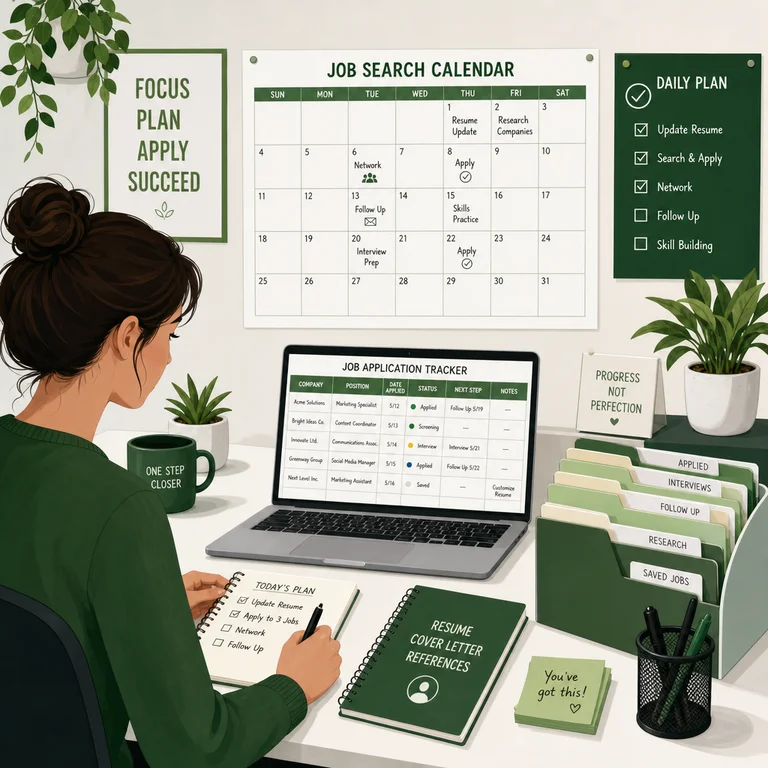
Acknowledge the feeling then take one concrete forward action the same day. Update one application, reach one contact, or complete one skill exercise. Small actions prevent paralysis.
Write down what happened and what you will do differently. This journaling practice externalizes the experience, prevents rumination, and creates reference for improving future applications.
How Do You Stay Motivated After the Tenth Rejection?
Redefine success metrics beyond offers received. Count quality applications, connections made, interviews completed, and skills developed. Controllable activities maintain motivation better than uncontrollable outcomes.
Remind yourself of the math. Even excellent candidates convert perhaps five to ten percent of applications into interviews. Rejection represents statistical normality not personal inadequacy.
When Should You Adjust Strategy Versus Pushing Through?
Evaluate after patterns emerge. Thirty applications with zero interviews means resume work needed. Five interviews with zero offers means interview prep needed. Offers not meeting expectations means targeting needs adjustment.
Distinguish bad luck from systemic issues. Random variation extends some searches through chance alone. But persistent identical outcomes signal strategic issues worth examining and correcting.
Building Resilience for the Long Search
Physical health directly impacts emotional resilience. Regular exercise, adequate sleep, and consistent nutrition maintain mental energy required for sustained searching. Neglecting health accelerates burnout.
Structure days even without employment. Consistent schedules with allocated search hours and pleasurable activities prevent formlessness that allows depression to take hold during extended searches.
Should You Take a Break From Job Searching?
Brief breaks of days to a week restore perspective when burnout becomes apparent. The market continues while you rest and returning refreshed produces better applications than pushing through exhaustion.
Extended breaks risk creating additional gaps. Balance rest needs against timeline pressures. Even during breaks maintain minimal activity like networking conversations to preserve momentum.
Using Rejection as Motivation Rather Than Discouragement
View each no as narrowing the path toward the right yes. Every rejection eliminates a position that wasn't the right fit directing you toward one that will be.
Track improvement over time. Compare early applications against recent ones. Visible progress demonstrates that rejection has been teaching you even when individual outcomes feel discouraging.