How to Job Search While Still Employed
Search for jobs while employed with strategies for confidential applications, discreet interviews, and managing transitions without burning bridges.
Anúncios
Why Searching While Employed Gives You an Advantage
Employed candidates negotiate from strength rather than necessity. The absence of financial pressure allows selective targeting of genuinely appealing opportunities. Current employment demonstrates market value to prospective employers.
Having income during your search eliminates timeline pressure leading to poor decisions. You can wait for right opportunities, negotiate assertively, and walk away from inadequate offers.
Anúncios
How Do You Find Time to Search With a Full Schedule?
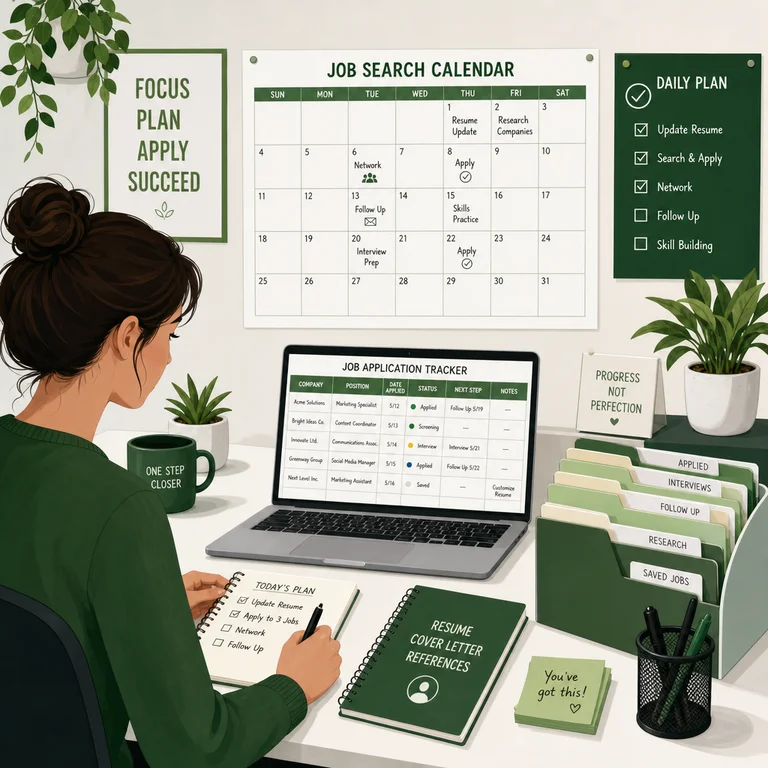
Dedicate specific blocks outside work hours. Early mornings for research, lunch for browsing, and evenings for applications create consistent progress without impacting current job performance.
Use weekends for intensive tasks like resume updates and interview preparation. Weekly two-hour focused sessions accomplish more than scattered daily minutes that never build momentum.
Anúncios
Keeping Your Job Search Confidential
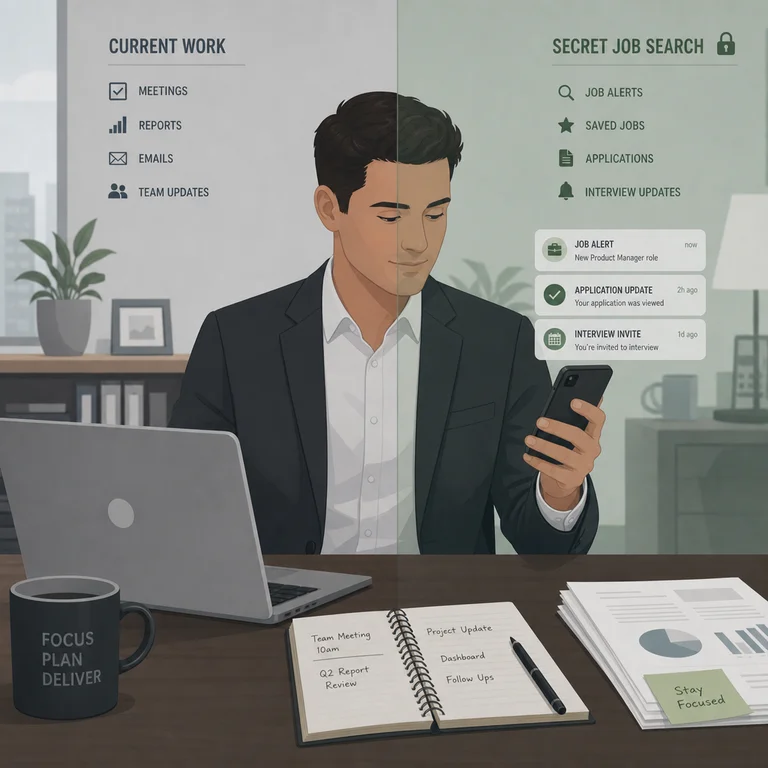
Avoid work devices, email, or networks for searching. Employers monitor corporate resources routinely. Use personal devices and accounts exclusively for all search-related activity.
Be cautious with LinkedIn signals. The recruiter-only Open to Work setting maintains confidentiality. Sudden profile overhauls alert colleagues and managers to potential departure plans.
Should You Tell Your Current Employer?
In most cases no. Disclosing often triggers defensive responses. Responsibilities may be redistributed, promotions withdrawn, or positions eliminated preemptively.
Exceptions exist with exceptional trust, companies demonstrating transition support, or when searching because of changes the employer should address directly.
How to Schedule Interviews Without Raising Suspicion
Request early morning, late afternoon, or lunch interviews. Most employers accommodate scheduling constraints without requiring specific explanations.
Use personal days for interviews rather than elaborate excuses. Batch interviews on same days when possible to minimize absence patterns that raise questions.
What If a Potential Employer Contacts Your Boss?
Explicitly request confidentiality on applications and during interviews. State clearly that your employer is unaware and you prefer no contact until an offer is imminent.
Provide alternative references from previous employers or professional contacts outside your current organization. Reputable hiring companies respect confidentiality requests from employed candidates.
Managing Energy Across Two Demanding Activities
Job searching while employed compounds stress. Prioritize sleep, exercise, and recovery to prevent burnout degrading both job performance and interview quality simultaneously.
Set realistic pace. Two to three quality applications per week sustain progress without exhausting resources needed for your current role and daily responsibilities.
What Happens If Your Boss Finds Out?
Address honestly without over-explaining. I have been exploring opportunities aligning with long-term goals while remaining committed to responsibilities here and providing full notice before any transition.
Discovery sometimes creates productive conversations about growth and compensation. Use the situation strategically rather than panicking.
Using Vacation Time for Extended Interview Processes
Multi-round interviews may require full days. Plan vacation time strategically and avoid scheduling all interview-related absences consecutively creating obvious patterns.
If asked about vacation plans keep responses vague and general. Personal time is personal and doesn't require detailed explanations to coworkers or managers.
How to Resign Professionally When You Get an Offer
Provide standard notice period, typically two weeks. Offer to help with transition and document your processes. Professional departures preserve references and industry reputation.
Resist temptation to express stored frustrations during resignation. Maintain positive relationships regardless of departure reasons. The professional world is smaller than it appears.
Evaluating Whether to Accept a Counter Offer
Counter offers address salary but rarely fix underlying dissatisfaction. Research shows most employees who accept counter offers leave within twelve months anyway.
If you decide to stay ensure changes are documented and implemented. Verbal promises during counter offer negotiations frequently evaporate once the immediate departure threat passes.
Managing the Transition Period Between Jobs
Use the notice period to wrap up projects, document processes, and transition responsibilities thoroughly. Your departure handling becomes your final impression at the company.
Maintain professional relationships through the transition. Former colleagues become future references, collaborators, and potential job leads. Invest in graceful departures that preserve these connections.