Freelancing vs Full-Time Employment: Which Is Better?
Compare freelancing versus full-time employment across income, flexibility, benefits, and career growth to determine which work arrangement fits your life.
Anúncios
The Real Financial Difference Between Freelancing and Employment
Freelance hourly rates appear higher until you subtract self-employment taxes, health insurance, retirement contributions, and unpaid time between projects. A freelancer earning one hundred per hour might net less than an employee at seventy after hidden costs.
Employment provides consistent paychecks simplifying budgeting, mortgage applications, and planning. Freelance income fluctuates monthly requiring reserves covering three to six months of expenses to manage lean periods.
Anúncios
How Does Flexibility Actually Compare?
Freelancers control schedules theoretically but client deadlines and meeting requests often impose structure mimicking employment without stability. True flexibility depends on client relationships and project types.
Full-time positions increasingly offer flexible arrangements including remote work, flexible hours, and compressed workweeks. The flexibility gap between freelancing and employment has narrowed significantly.
Anúncios
What About Benefits and Retirement?
Employer-provided insurance, retirement matching, paid vacation, and disability coverage represent significant compensation freelancers must purchase independently. Total benefits value often reaches twenty to thirty percent of base salary.
Freelancers can access individual health plans and solo retirement accounts but bear full costs without employer subsidies. Setting these up independently requires financial literacy and discipline.
Which Offers Better Career Growth?
Employment provides structured advancement, mentorship, training budgets, and large-scale project exposure freelancers rarely access independently. Corporate experience builds credentials carrying weight across the market.
Freelancing accelerates learning through diverse client exposure forcing rapid skill development. Building a successful practice develops business and marketing skills employees rarely develop.
How Does Job Security Compare Realistically?
Employment feels secure until layoffs demonstrate its fragility. Freelancing feels insecure until diverse client bases provide stability through distribution rather than single-employer dependence.
Neither guarantees permanence. The security difference lies in control. Employees depend on employer decisions while freelancers depend on market demand. Each carries different risk profiles.
What Is the Social Impact of Each Work Style?
Offices provide built-in interaction, camaraderie, and relationships developing naturally through proximity. Freelancers must deliberately create social connections since isolation becomes a genuine occupational hazard.
Employment social aspects come with politics and mandatory events. Freelancers control professional relationships but must invest effort building community that employment provides automatically.
Which Is Better for Work-Life Balance?
Freelancers can achieve exceptional balance but frequently achieve the opposite. Without external boundaries work expands to fill available time. The discipline required challenges most people significantly.
Employment provides clearer boundaries especially in organizations respecting after-hours disconnection. However demanding cultures can erode these boundaries as effectively as freelance overwork.
How Hard Is It to Transition Between the Two?
Moving to freelancing requires savings, client acquisition skills, and comfort with uncertainty. Most successful freelancers start with side projects while employed building bases before full transitions.
Returning from freelancing can face perception challenges. Frame freelance periods as entrepreneurial experience demonstrating self-management and business development skills rather than employment gaps.
What Personality Types Suit Each Arrangement?
Self-starters who thrive on variety and tolerate uncertainty flourish freelancing. People preferring collaboration and structured advancement often prefer employment arrangements.
Honest self-assessment matters more than aspirational thinking. Wanting the freelance lifestyle differs from thriving within its reality. Many romanticize benefits while underestimating challenges.
Can You Combine Freelancing and Employment?
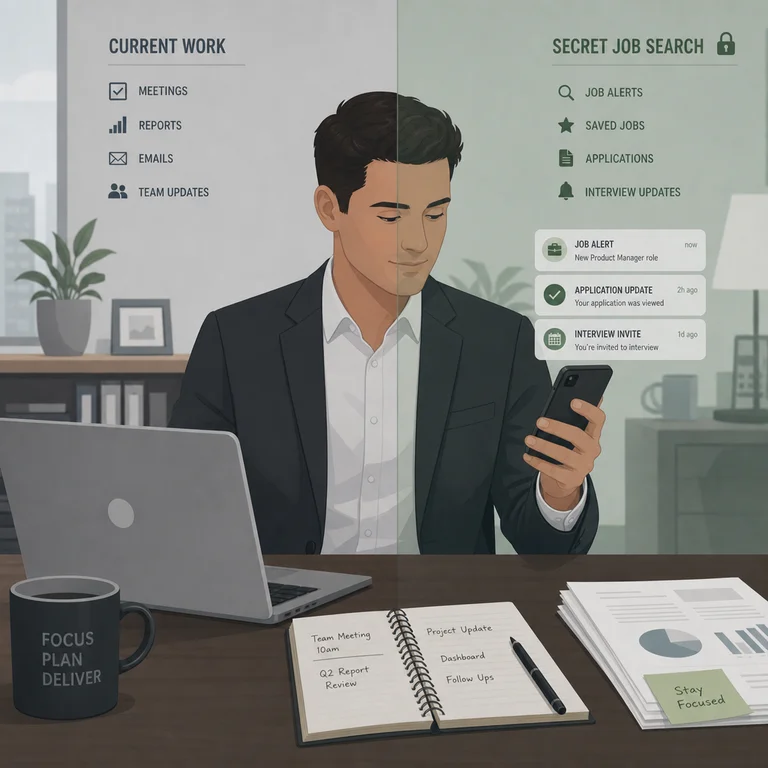
Hybrid arrangements are increasingly common and often optimal. Part-time freelancing alongside employment builds income streams while maintaining stability. Check employment agreements for moonlighting restrictions.
Long-term contracts blending freelance flexibility with employment-like engagement provide stability while maintaining tax advantages and schedule control of independent work.
Making the Decision Based on Your Current Life Stage
Young professionals with few obligations often benefit from freelancing accelerated learning. Parents and those with significant financial obligations often prefer employment predictability.
Revisit periodically as circumstances change. The right choice at twenty-five may not serve at forty. Flexibility means willingness to adjust working arrangements as priorities evolve.