How to Use LinkedIn to Land a Job Faster
Master LinkedIn job searching with profile optimization, networking tactics, and engagement strategies that get recruiters reaching out to you instead.
Anúncios
Your LinkedIn Profile Is Not a Resume
Treating your profile as an online resume misses LinkedIn actual power. Profiles that tell stories about impact, include rich media, and demonstrate thought leadership attract recruiter attention in ways bullet-pointed experience lists never accomplish.
Think of your profile as a landing page designed to convert visitors into conversations. Every section should answer one question for the reader: why should I talk to this person about opportunities?
Anúncios
How Should You Write a Headline That Attracts Recruiters?
Default headlines showing your current job title waste premium real estate. Craft headlines using your specialty, key skills, and the value you deliver. Senior Data Engineer Building Scalable Pipelines outperforms Data Engineer at CompanyX every time.
Include keywords recruiters search for in your headline. Research common search terms by reviewing job postings and noting repeated phrases. Headline keywords directly influence how often your profile appears in recruiter searches.
Anúncios
Writing an About Section That Actually Gets Read
Open with a hook that communicates your professional identity and what drives you. Skip generic statements about being passionate or results-oriented. Specific claims about what you do differently backed by evidence hold attention and build credibility.
Structure the about section in short paragraphs with clear spacing. Include a call to action inviting connections for specific types of opportunities. Make it easy for someone scanning your profile to understand your value in thirty seconds.
What Makes the Experience Section Compelling?
Replace responsibility descriptions with achievement statements. Managed team of eight developers tells nothing. Led eight-person engineering team that reduced deployment time by forty percent while maintaining ninety-nine percent uptime demonstrates real impact.
Add media to experience entries where possible. Project screenshots, presentation decks, published articles, and portfolio links transform static text into engaging proof of capability that helps you stand apart.
Building a Network That Opens Real Doors
Connection quantity matters less than connection quality and engagement. Five hundred connections you actively communicate with produce more opportunities than five thousand passive connections who cannot remember you.
Send personalized connection requests referencing shared interests, mutual connections, or specific content you appreciated. Generic requests get ignored while specific thoughtful requests get accepted and remembered.
How Does LinkedIn Content Creation Help Your Job Search?
Publishing insights, commenting thoughtfully on industry content, and sharing professional perspectives increases your visibility in recruiter feeds. Consistent engagement signals active participation rather than dormant profile maintenance.
You don't need to post daily or create viral content. One thoughtful post per week sharing genuine professional insights builds momentum. Authentic perspectives resonate more than polished corporate messaging efforts.
Using LinkedIn Search Filters Like a Professional
The job search function includes filters most candidates overlook. Filter by date posted, experience level, company size, and remote eligibility simultaneously to narrow thousands of listings into a manageable targeted selection.
Save searches and enable notifications for specific filter combinations. LinkedIn sends alerts when new positions matching your criteria appear letting you apply early when hiring managers are most actively reviewing candidates.
Should You Reach Out to Hiring Managers Directly?
Direct messages to hiring managers work when executed correctly. Research the person, reference something specific about their team, and briefly explain what you would contribute. Personalized cold messages receive dramatically better response rates.
Avoid immediately asking for jobs in direct messages. Start conversations by adding value or expressing genuine interest. Relationship-building messages that lead naturally to opportunity discussions outperform transactional pitches consistently.
Leveraging Recommendations and Endorsements
Request recommendations from colleagues who can speak to specific skills relevant to your target roles. Generic praise adds minimal value while detailed recommendations describing your approach to challenges carry genuine weight.
Endorsements matter most for skill verification. Having numerous endorsements for your primary skills signals to recruiters that abilities are recognized by your professional network rather than self-claimed.
What LinkedIn Premium Features Are Worth Paying For?
InMail credits allow direct messaging to people outside your network which proves valuable when targeting specific companies. Application insights showing how you compare to other applicants help gauge competition levels accurately.
Premium value depends on your search intensity. During active job searches the investment typically pays for itself through access and visibility advantages. During passive searches the free tier provides adequate functionality.
Avoiding Common LinkedIn Mistakes During Job Searches
Broadcasting that you are desperately seeking work through posts can backfire. Recruiters sometimes interpret open desperation negatively. Position your activity as selective exploration rather than urgent necessity.
Avoid connecting with everyone at a target company simultaneously. This pattern appears obvious to internal teams and creates awkward impressions. Connect strategically with one or two relevant contacts at each company.
Tracking Your LinkedIn Job Search Progress
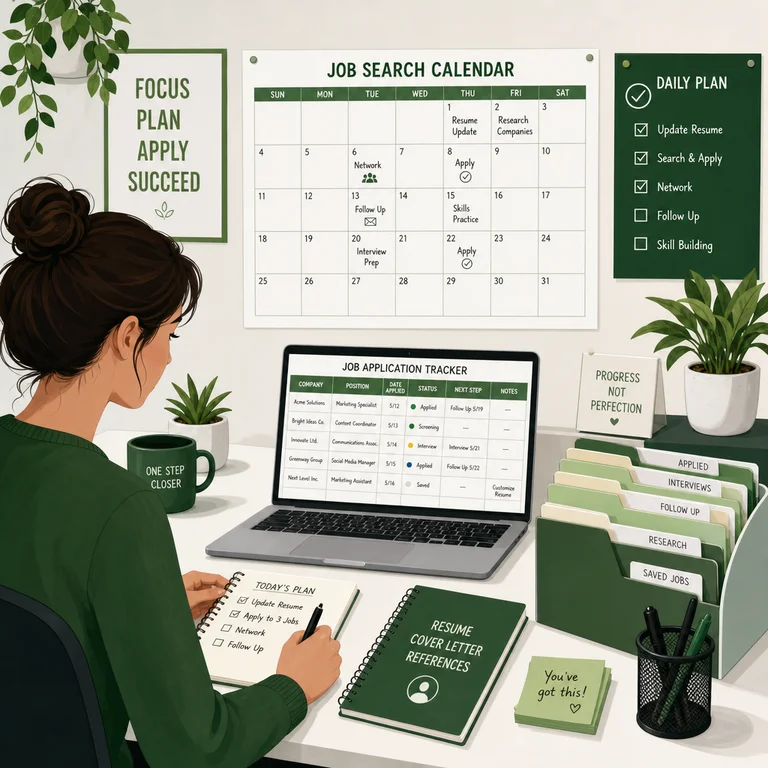
Maintain a spreadsheet tracking applications submitted, connections made, follow-ups sent, and response rates. This data reveals which strategies produce results allowing continuous optimization of your approach.
Review your profile analytics weekly. Spikes in profile views after content posts indicate what resonates. Double down on activities that increase visibility and reduce time spent on approaches generating minimal traction.